
Trusted by Millions Contractors
Corrosion-Proof GFRP Reinforcement for Next-Generation Infrastructure.
Indus Strong manufactures high-performance GFRP rebars and composite systems that outlast steel and reduce lifecycle costs for roads, metro, tunnels and critical infrastructure.
About INDUS STRONG Composite
Advanced GFRP reinforcement and composite systems designed to build the future of durable infrastructure. With a deep focus on engineering excellence, we produce high-performance, corrosion-proof GFRP rebars, profiles, gratings, pipes and structural solutions that outperform traditional steel in strength, lifespan and efficiency.
Backed by modern manufacturing capabilities, rigorous testing standards and a commitment to innovation, Indus Strong empowers highways, metros, tunnels, water systems and industrial projects with materials built to last for decades. Our mission is simple — deliver smarter, stronger and more sustainable reinforcement solutions that stand the test of time.osite systems that outlast steel and reduce lifecycle costs for roads, metro, tunnels and critical infrastructure.
Core Solutions
Overview
GFRP Rebars
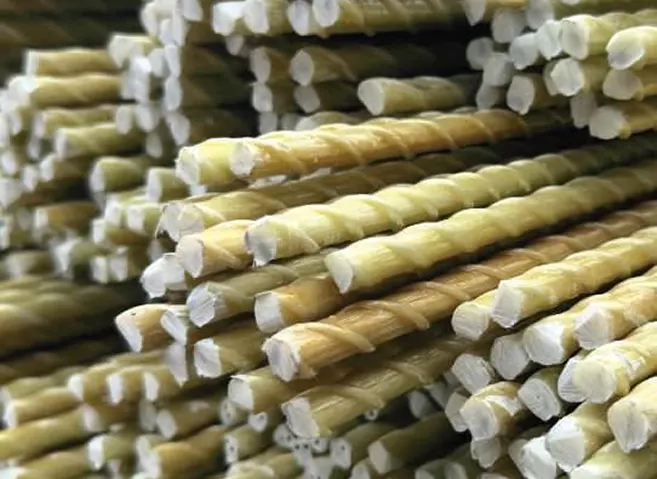
Corrosion-resistant reinforcement bars for concrete structures. Lighter than steel, higher tensile strength, ideal for bridges, tunnels, roads, marine applications.
GFRP Structural Profiles & Gratings
Load-bearing profiles and walkway gratings. Non-corrosive, lightweight, electrically non-conductive. Perfect for chemical plants, offshore platforms, industrial flooring applications.
GFRP Cable Tray Systems
Non-metallic cable management trays. Corrosion-proof, flame-retardant, lightweight. Ideal for power plants, chemical facilities, metro systems, aggressive environments.
Chequered Sheet (GFRP)
Anti-slip composite flooring sheets. Weather-resistant, durable, non-conductive. Suitable for platforms, walkways, industrial areas, high-traffic zones requiring safety.
Rockbolts & Ground Support
Ground anchoring systems for mining and tunneling. Non-corrosive, high tensile strength. Ensures long-term stability in underground excavations, slopes.
GFRP Battery Stand!
Acid-resistant battery mounting structures. Lightweight, corrosion-proof, electrically insulating. Ideal for telecom towers, substations, solar installations, UPS systems.
Why GFRP Over Steel?
| Material | GFRP | Steel |
|---|---|---|
| Tensile Strength [MPa]/N/mm² | 1000+ | 500 |
| Shear Strength | 170 | 120 |
| Bond Strength [MPa]/N/mm² | 13 | 14 |
| Electrical Conductivity | Electrically Conductive Material | Dielectric |
| Modulus of Elasticity [GPa] | 50-60 GPa | 160-200 |
| Elongation [mm] | 25 mm | 2.2 mm |
| Durability | Not less than 80 years | Terms are prescribed in special building codes |
| Density [ton/m³] | 2-2.1 | 7.8 |
| Corrosion resistance to aggressive environment | Stainless material preserving properties even in alkaline concrete environment | Appearance of rust products |
| Ecological Compatibility | Does not emit harmful and toxic substances during storage and use | Ecologically Friendly Material |
Why Indus Strong

Standards-Led Manufacturing
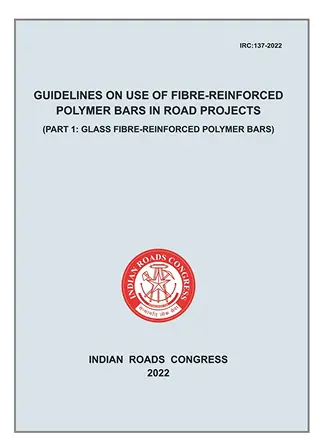
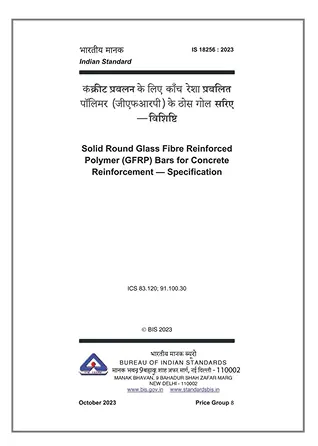
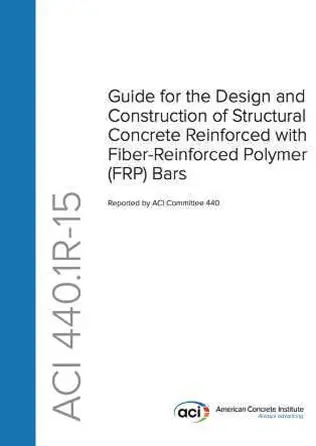
Designed and tested as per IS 18256:2023, ACI-440, IRC-137.

High Capacity, Quick Turnaround
1000+ tonnes / month with in-house straight & bent bar lines.

Full In-house Testing Lab
Mechanical, chemical & durability testing under one roof.

End-to-End Composite
From rebars to profiles, gratings, tanks & structural systems.

Design & Technical Support
Assistance with design, detailing and substitution from steel to GFRP.
The Cost of GFRP Rebar: Metal or Fiberglass
Almost any construction novelty is undergoing the process of adaptation to the market with some snags. The fact is that builders have not sufficiently studied composite reinforcement, so manufacturing companies are introducing slightly different production technologies, which is why GFRP rebars do not always turn out the way they should.
The logic here is this: non-metallic reinforcement has higher than structural steel tensile strength, so a GFRP rebar of a smaller diameter will withstand the same load as thicker steel reinforcement. Based on this, it is concluded that less plastic is needed to reinforce the structure than metal.
This is where the pricing benefit comes from.
Is it so? Indeed, it is worth realizing that each concrete structure is a complex physical model that requires engineering calculations for strength, punching, stability, and other characteristic Indus Strong.
| Fiber Glass Rebar | |
|---|---|
| Weight | Diameter |
| 0.28 kg | 4 mm |
| 0.72 kg | 6 mm |
| 1.20 kg | 8 mm |
| 1.80 kg | 10 mm |
| 2.40 kg | 12 mm |
| 4.80 kg | 16 mm |
| 7.44 kg | 20 mm |
| 12.60 kg | 25 mm |
| 19.80 kg | 32 mm |
| 31.80 kg | 40 mm |
| 44.40 kg | 50 mm |
| Metal Rebar | |
|---|---|
| Weight | Diameter |
| 2.75 kg | Φ 6 |
| 4.74 kg | Φ 8 |
| 7.40 kg | Φ 10 |
| 10.65 kg | Φ 12 |
| 14.52 kg | Φ 14 |
| 18.93 kg | Φ 16 |
| 24.00 kg | Φ 18 |
| 35.76 kg | Φ 22 |
| 46.22 kg | Φ 25 |
| 58.02 kg | Φ 28 |
| 75.79 kg | Φ 32 |
Industry Standards
Approvals




Talk to Our Experts

Indus Strong supplies premium GFRP reinforcement solutions, delivering durable, corrosion-free, and future-ready materials


Useful Links
- Privacy Policy
- Terms of Service
